What is Heatstroke?
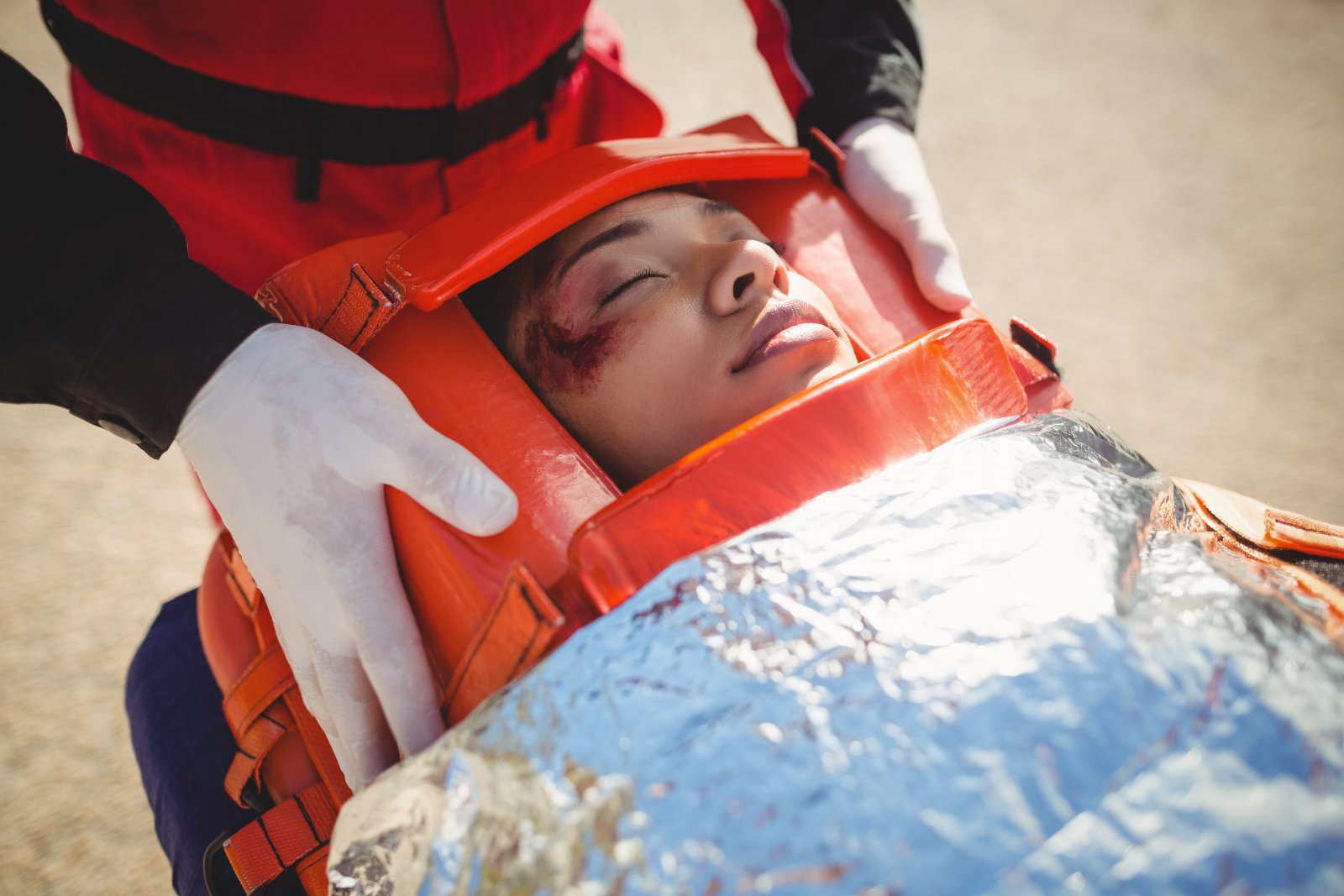
Heatstroke is a serious medical emergency. It happens when your body gets too hot and cannot cool down. Usually, this occurs during very hot weather or after heavy exercise. If not treated quickly, heatstroke can cause damage to your brain and other organs. Because of this, knowing emergency response and cooling techniques is very important. Acting fast can save lives.
Recognizing the Symptoms of Heatstroke
Early signs of heatstroke can be easy to miss. However, knowing what to look for helps you act quickly. Common symptoms include:
If you notice these signs, take action right away. Quick response can prevent serious harm.
Causes and Risk Factors
Heatstroke often happens when your body cannot cool itself. For example, spending too much time in the sun or doing hard exercise in hot weather can cause it. Some people are at higher risk, such as:
Additionally, wearing heavy clothing or drinking too little water can increase your risk. Always be careful in hot and humid weather.
Emergency Response Steps for Heatstroke
If you think someone has heatstroke, act fast. Here are the steps you should follow:
Because heatstroke can be life-threatening, quick action is vital. Always call for medical help first.
Effective Cooling Techniques
Cooling the body quickly is key to treating heatstroke. You can use these methods:
However, avoid using ice-cold water for young children or older adults. Instead, use lukewarm water to prevent shock. Keep cooling until help arrives or the person’s temperature drops below 102°F (39°C).
Prevention Tips for Heatstroke
Preventing heatstroke is easier than treating it. Here are some simple tips:
By following these steps, you can lower your risk of heatstroke. Always watch for warning signs, especially during heat waves.
When to Seek Medical Help
If you suspect heatstroke, seek emergency medical care immediately. Do not wait for symptoms to get worse. Even after cooling, the person may need hospital treatment. Quick medical attention can prevent long-term problems and save lives.
If you suspect heatstroke, seek emergency medical care immediately and consult Dr. Meenal Singh for personalized guidance and treatment.