
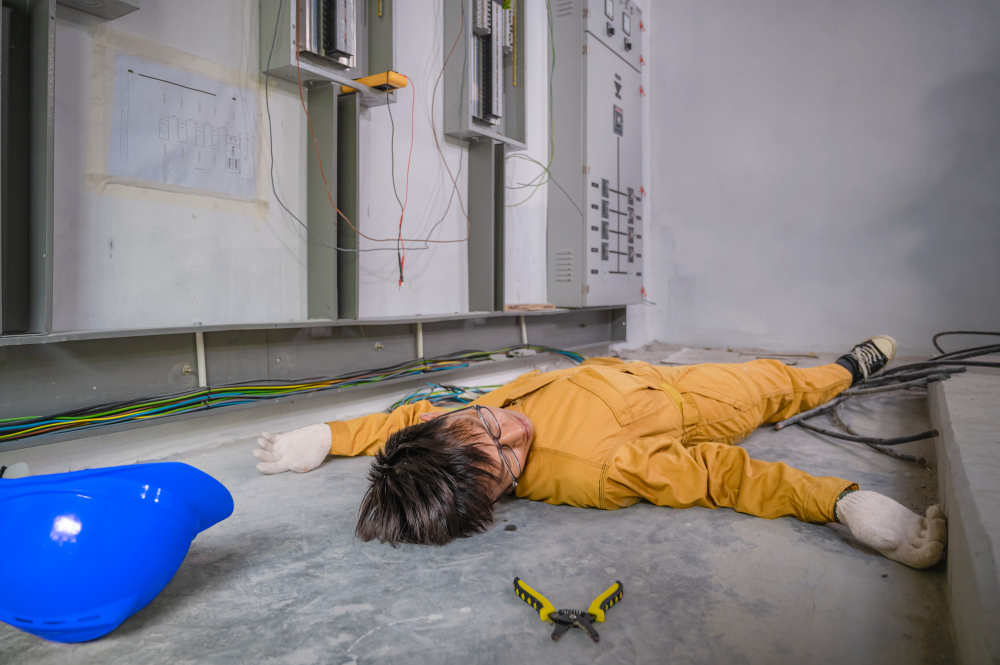
What Is Electric Shock?
Electric shock happens when electricity passes through the body. Even a small amount of electricity can cause harm. Sometimes, it leads to mild pain. Other times, it can be life-threatening. Because electric shock can affect the heart, muscles, and skin, it is important to know what to do. Many people experience electric shock at home or work. Therefore, learning about electric shock symptoms and first aid is important for everyone.
Common Causes of Electric Shock
Many things can cause electric shock. Some are found at home, while others are in public places. Knowing these causes can help you stay safe.
For example, using a hair dryer near water can increase the risk. Also, not using safety covers on outlets can be dangerous for children.
Symptoms of Electric Shock
Electric shock symptoms can vary. Sometimes, they are mild. Other times, they are very serious. Watch for these signs if you suspect someone has had an electric shock:
However, some symptoms may appear later. Therefore, it is always best to watch for changes after an electric shock.
Immediate First Aid Steps
Quick action can save lives. If someone gets an electric shock, follow these first aid steps:
Because electric shock can cause hidden injuries, always seek medical help, even if the person feels fine.
When to Seek Emergency Help
Sometimes, electric shock is very serious. You should call for emergency help if:
Even if symptoms seem mild, it is safer to get checked by a doctor. Because some problems may not show up right away, quick medical care is best.
Prevention Tips for Electric Shock
Preventing electric shock at home and work is possible. Here are some simple tips:
Additionally, regular checks of your home’s wiring can help prevent accidents. Because prevention is easier than treatment, always follow safety rules.
Frequently Asked Questions
Can a small electric shock be dangerous?
Even a mild shock can cause harm. Sometimes, it leads to heart or nerve problems. Therefore, it is wise to see a doctor after any electric shock.
What should I do if a child gets an electric shock?
First, remove the child from the source safely. Then, call emergency services. Watch for symptoms and seek medical help right away.
How can I prevent electric shock at home?
Use outlet covers, keep devices dry, and check cords for damage. Also, teach children not to touch outlets or wires.
When should I call emergency services?
If the person is not breathing, has chest pain, or is unconscious, call for help right away. High-voltage shocks always need emergency care.
Conclusion
Electric shock can be serious, but quick action and prevention can save lives. If you or someone you know experiences an electric shock, seek immediate medical attention and consult Dr. Meenal Singh.