
Introduction
Dengue fever is a common illness in many tropical and subtropical areas. It spreads through mosquito bites. Many people want to know about dengue symptoms, dengue treatment, and how to prevent dengue. In this blog, you will learn about the signs, causes, diagnosis, and ways to stay safe from dengue fever. Understanding these facts can help you protect yourself and your family.
What is Dengue Fever?
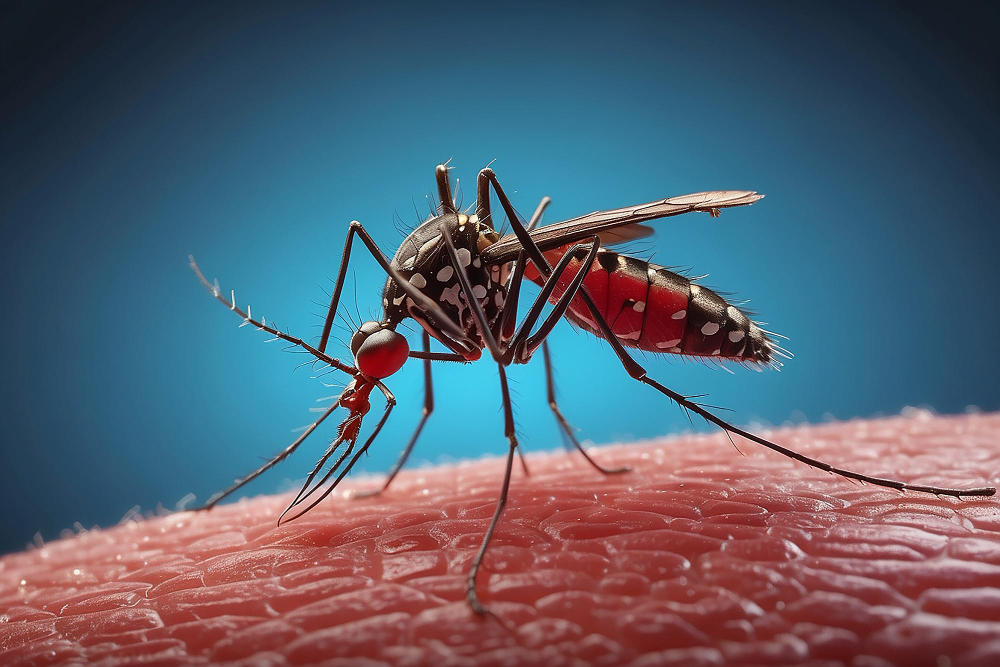
Dengue fever is a viral infection. It is caused by the dengue virus. Mosquitoes, mainly Aedes aegypti, spread this virus. The illness can cause mild or severe symptoms. In some cases, it can lead to serious health problems. According to the World Health Organization (WHO), dengue affects millions of people each year.
Symptoms of Dengue Fever
Usually, symptoms start four to ten days after a mosquito bite. Not everyone gets all symptoms. However, it is important to know the common signs. Early detection can help with better care.
Sometimes, dengue can become severe. This is called severe dengue or dengue hemorrhagic fever. Signs of severe dengue include severe stomach pain, repeated vomiting, bleeding, or feeling very tired. If you notice these, seek medical help at once.
Causes and Transmission
Dengue fever is not spread from person to person. Instead, it spreads through the bite of an infected mosquito. The Aedes mosquito usually bites during the day, especially early morning and late afternoon. If a mosquito bites someone with dengue, it can carry the virus and pass it to others.
In some cities, dengue cases rise during the rainy season. This is because mosquitoes breed in standing water. Therefore, keeping your surroundings clean can help reduce the risk.
Diagnosis of Dengue Fever
If you have symptoms of dengue, see a doctor. Early diagnosis is important. Doctors will ask about your symptoms and travel history. They may also do blood tests. These tests check for the dengue virus or signs of infection. Quick diagnosis helps prevent complications.
Treatment Options
There is no specific medicine for dengue fever. However, most people recover with proper care. Doctors recommend:
Do not take aspirin or ibuprofen, as these can cause bleeding. In severe cases, hospital care may be needed. Doctors will monitor you closely and give fluids through a vein if needed. According to the CDC, most people recover within one to two weeks.
Prevention Tips
Preventing mosquito bites is the best way to avoid dengue. Here are some simple tips:
In some areas, local health departments spray to control mosquitoes. You can also join community clean-up drives to reduce mosquito breeding sites.
When to See a Doctor
If you have a high fever and live in or have visited a dengue-prone area, see a doctor. Early care can prevent serious problems. Seek urgent help if you notice:
These may be signs of severe dengue, which needs quick treatment.
Conclusion
Dengue fever can be serious, but you can lower your risk by staying informed and taking simple steps. If you or someone you know shows signs of dengue, consult Dr. Meenal Singh for the right advice and care.