Introduction
Burns can happen at home, work, or anywhere. Dealing with burns quickly is important. In fact, knowing burn first aid can help prevent serious problems. Immediate action can lower the risk of infection and scarring. This guide explains emergency burn care, preventing burn complications, and what steps to take right away. You will also learn when to seek help and how to care for minor burns at home.
What Are Burns?
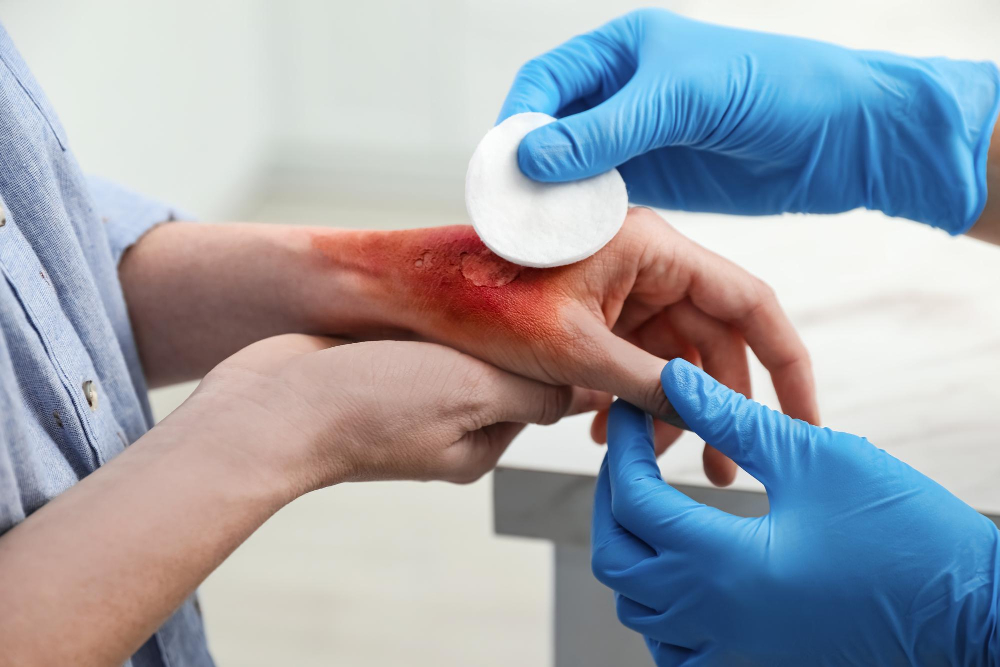
Burns are injuries to the skin or deeper tissues. They happen when skin touches heat, chemicals, electricity, or even sunlight. Sometimes, burns can be mild. However, severe burns can damage muscles or bones. According to the World Health Organization (WHO), burns are a common cause of injury worldwide. Quick care is key to healing and preventing problems.
Types of Burns and Their Severity
Burns are grouped by how deep and severe they are. Understanding the types helps you know what to do next.
Each type needs different care. However, all burns should be treated quickly to prevent complications.
Immediate Steps After a Burn Injury
Acting fast can help reduce damage and speed up healing. Here are the steps to follow right after a burn:
These steps are part of standard emergency burn care. They help prevent further injury and lower the risk of infection.
What Not to Do After a Burn
Some actions can make burns worse. Therefore, avoid these common mistakes:
Following these tips helps in preventing burn complications and supports safe healing.
When to Seek Medical Help
Sometimes, burns need a doctor’s care. You should seek medical help if:
Early treatment can prevent serious complications and improve recovery.
Preventing Burn Complications
Proper care lowers the risk of problems like infection, scarring, or loss of movement. Here are ways to prevent burn complications:
According to the CDC, good wound care is key to preventing burn complications.
Home Care Tips for Minor Burns
If the burn is small and not deep, you can care for it at home. Here are some tips:
Even for minor burns, watch for signs of infection. If you notice any, see a doctor.
Frequently Asked Questions
Can I use ice on a burn?
No, using ice can harm the skin and slow healing. Use cool water instead.
Should I pop blisters?
No, do not pop blisters. They protect the skin from infection while healing.
When should I see a doctor?
See a doctor if the burn is large, deep, or on sensitive areas. Also, seek help if there are signs of infection.
Can I use home remedies like butter or toothpaste?
No, these can make burns worse and increase infection risk. Stick to clean water and proper dressings.
If you or someone close to you suffers a burn, consult Dr. Meenal Singh for personalized guidance on effective treatment.