Introduction
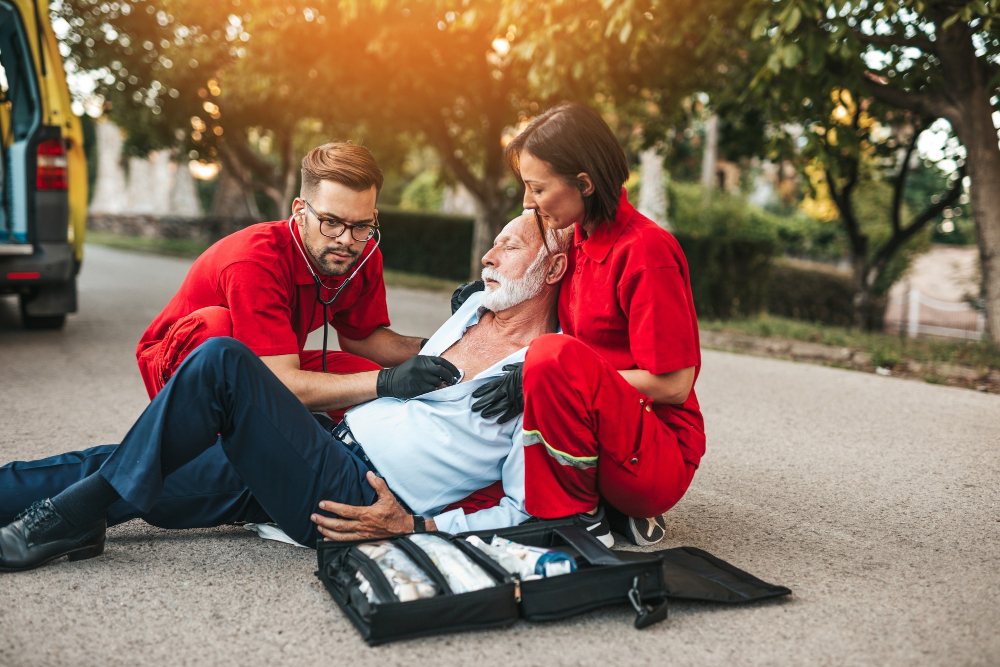
Road traffic accidents can happen at any time. They often cause injuries that need quick action. First aid for road accidents is important because it can save lives. According to the World Health Organization (WHO), millions are hurt or killed in road crashes each year. Because of this, knowing emergency response tips can make a big difference. In this guide, you will learn road traffic accident first aid steps to help in an emergency.
Common Injuries in Road Accidents
After a road accident, people may have different types of injuries. Some are minor, but others are very serious. For example, you might see:
However, some injuries are not easy to see. Always treat every accident as serious until help arrives.
Step-by-Step Essential First Aid Tips
1. Ensure Scene Safety
First, check if the area is safe for you and others. For instance, look for fire, leaking fuel, or moving traffic. If it is not safe, do not approach. Instead, wait for emergency services.
2. Call for Help
Next, call emergency services right away. Give them clear details about the location and the number of injured people. Early help can save lives.
3. Assess the Victims
After calling for help, check the victims. See if they are awake and breathing. If someone is unresponsive, gently tap and ask if they are okay. If there is no response, move to the next step.
4. Control Bleeding
Bleeding can be life-threatening. To stop bleeding:
But, do not remove objects stuck in the wound. Instead, press around them.
5. Manage Fractures
If you think someone has a broken bone:
Moving a broken bone can cause more harm.
6. CPR Basics
If a person is not breathing, start CPR if you know how. For adults:
However, only perform CPR if you are trained. Otherwise, wait for emergency help.
7. What Not to Do
These actions can make injuries worse.
When to Seek Immediate Medical Attention
Some signs mean you must get medical help right away. For example, call for help if the person:
Even if injuries seem minor, it is safer to let a doctor check them.
Prevention Tips for Road Accidents
While first aid is important, preventing accidents is even better. Here are some tips:
By following these steps, you can help keep roads safer for everyone.
Conclusion
In summary, knowing first aid for road accidents can save lives. Quick action and the right steps matter. However, always put your safety first and call for professional help. For expert guidance or emergency training, consult Dr. Meenal Singh for personalized advice.