What is Type 2 Diabetes?
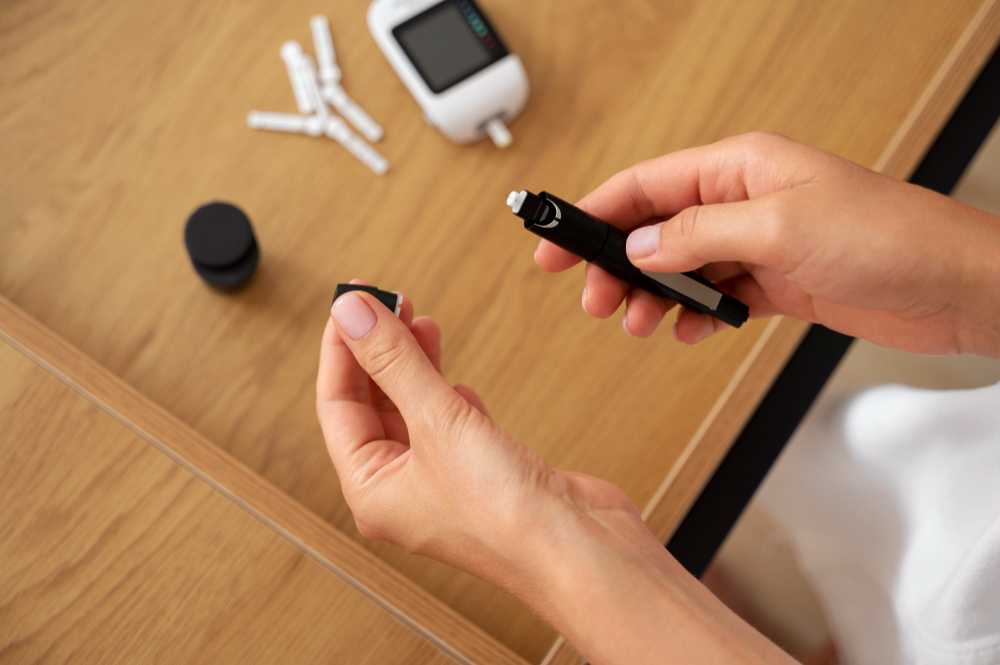
Type 2 diabetes is a long-term health condition. It happens when your body cannot use insulin well. Insulin is a hormone that helps control blood sugar. As a result, blood sugar levels become too high. In the United States, Type 2 diabetes is the most common form of diabetes. This condition can affect people of all ages, but it is more common in adults. Early care and good diabetes management can help prevent serious health problems.
Common Symptoms of Type 2 Diabetes
Many people with Type 2 diabetes do not notice symptoms at first. However, some signs may develop over time. For example, you might feel tired or thirsty more often. You may also notice other changes. Watch for these common symptoms:
If you notice any of these symptoms, it is important to talk to your doctor. Early diagnosis can help you manage the condition better.
Causes and Risk Factors
Type 2 diabetes develops when the body becomes resistant to insulin. Sometimes, the body also makes less insulin. Because of this, blood sugar rises. Several factors can increase your risk:
While you cannot change some risk factors, you can lower your risk by making healthy choices.
How Type 2 Diabetes is Diagnosed
Doctors use simple blood tests to diagnose Type 2 diabetes. These tests measure your blood sugar levels. For example, your doctor may order one or more of these tests:
If your results are high, your doctor may repeat the test to confirm the diagnosis. Early diagnosis helps you start treatment sooner.
Treatment Options
Managing Type 2 diabetes involves several steps. Your doctor will help you create a plan that fits your needs. Treatment often includes:
With the right plan, many people can manage their blood sugar and live healthy lives.
Lifestyle Tips for Managing Type 2 Diabetes
Making small changes can have a big impact. For example, you can:
Because every person is different, talk to your doctor about what works best for you.
Prevention Strategies
Although you cannot prevent all cases, you can lower your risk of Type 2 diabetes. Try these prevention tips:
Even small changes can help protect your health over time.
When to See a Doctor
If you notice symptoms of Type 2 diabetes, see your doctor soon. Early care can prevent problems. Also, if you have risk factors, ask your doctor about screening. Regular check-ups help catch changes early. If you already have diabetes, keep in touch with your healthcare team. They can help you adjust your plan as needed.
For personalized advice on managing Type 2 diabetes, consult Dr. Meenal Singh.