What is Pesticide Poisoning?
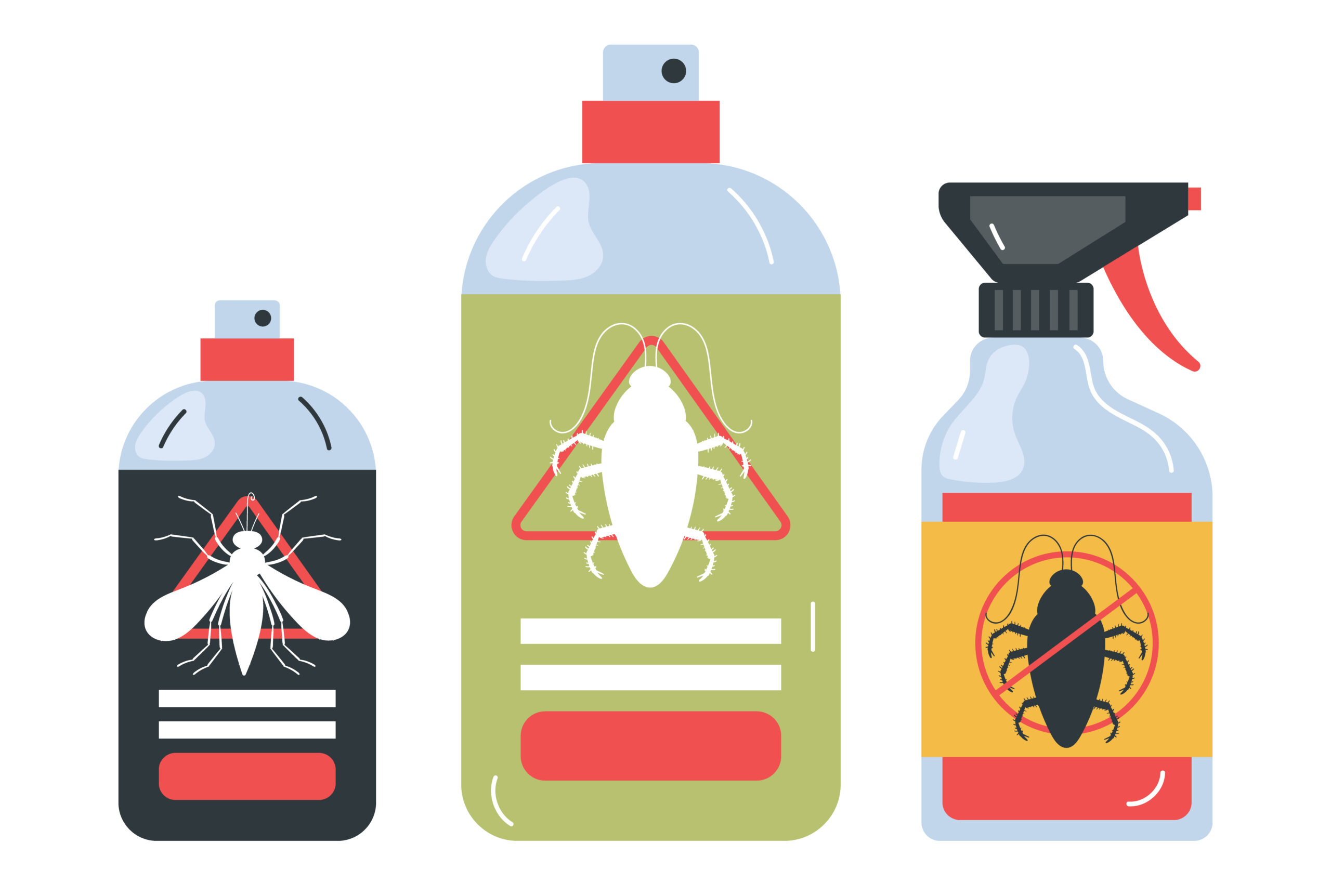
Pesticide poisoning happens when harmful chemicals used to kill pests enter the body. These chemicals can affect people through the skin, mouth, or by breathing them in. Often, farmers and gardeners face a higher risk. However, anyone can be exposed at home or work. According to the World Health Organization (WHO), pesticide poisoning is a major health concern worldwide. Early recognition is important for safety and quick treatment.
Common Symptoms and Warning Signs
Recognizing pesticide poisoning symptoms early can save lives. Symptoms may appear within minutes or hours. Sometimes, they develop slowly over days. Watch for these warning signs:
In some cases, skin contact may cause redness or burns. If you notice these symptoms after pesticide use, act quickly.
Causes and Risk Factors
Pesticide poisoning can happen in several ways. Most often, it occurs by:
Some people face higher risks. For example, children, pregnant women, and the elderly are more sensitive. Farmers, gardeners, and workers who handle pesticides often are also at greater risk. In some regions, unsafe storage or use increases the danger. Using pesticides without protective gear can make poisoning more likely.
How Pesticide Poisoning is Diagnosed
Doctors diagnose pesticide poisoning by asking about recent exposure and symptoms. They may check for signs like breathing problems or skin changes. Sometimes, blood or urine tests help confirm the type of pesticide involved. In many cases, quick diagnosis leads to better outcomes. Therefore, sharing details about the pesticide and how it was used is helpful.
Emergency Response and Immediate First Aid
If you suspect pesticide poisoning, act fast. Quick emergency response for pesticide poisoning can save lives. Follow these steps:
While waiting for help, keep the person calm and monitor their breathing. If they stop breathing, start CPR if you know how. Always bring the pesticide container or label to the hospital if possible.
Medical Treatment Options
Doctors treat pesticide poisoning based on the type and amount of pesticide. Treatment may include:
In some cases, special antidotes are available. Early treatment improves recovery. Therefore, never delay seeking medical help.
Prevention Tips and Safe Practices
Preventing pesticide poisoning is possible with safe habits. Here are some tips on how to prevent pesticide poisoning:
In addition, teach family members about the dangers of pesticides. Regularly check storage areas for leaks or spills.
When to Seek Medical Help
If you notice any pesticide poisoning symptoms, seek medical help right away. Even mild signs can become serious quickly. Call emergency services if the person:
Early medical care can prevent long-term harm. Never wait for symptoms to get worse before getting help.
Conclusion
Pesticide poisoning is a serious health risk, but quick action and safe practices can help prevent harm. If you suspect pesticide poisoning, seek emergency medical help immediately or consult Dr. Meenal Singh for personalized advice.