
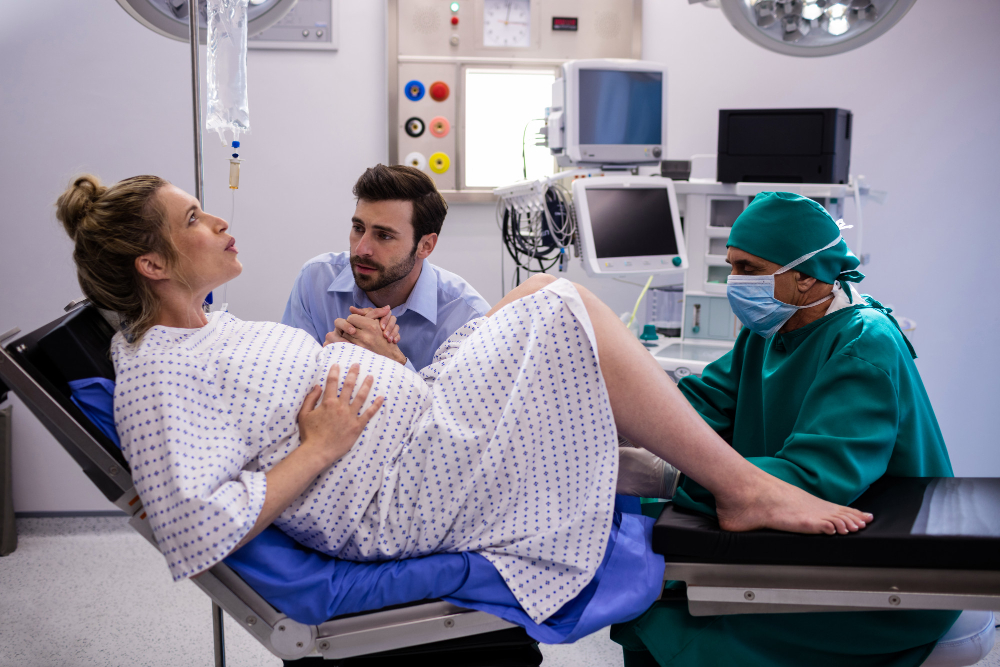
Introduction: Understanding Normal Vaginal Delivery
Normal vaginal delivery is the natural process of giving birth through the birth canal. It is the most common way for babies to be born. Many women prefer this method because it often leads to a quicker recovery. In fact, normal vaginal delivery is usually safe for both mother and baby. Knowing what to expect during vaginal birth can help you feel more prepared and confident.
Symptoms and Signs of Labor
Recognizing the early signs of labor is important. These signs can help you know when to go to the hospital or call your doctor. Some common signs include:
However, not every woman will have all these signs. If you are unsure, it is best to contact your healthcare provider.
Causes and Factors Leading to Normal Vaginal Delivery
Several factors can support a normal vaginal delivery. For example, a healthy pregnancy and baby position help. Other important factors include:
On the other hand, certain medical conditions may require a different delivery method. Your doctor will guide you based on your unique situation.
The Delivery Process: Step-by-Step Overview
Understanding the stages of normal vaginal delivery can ease your worries. Here is what usually happens:
Throughout each stage, your healthcare team will support and guide you.
Diagnosis and Monitoring During Labor
During labor, doctors and nurses monitor both mother and baby closely. They check:
Because of this careful monitoring, any problems can be found early. This helps keep both mother and baby safe.
Pain Management Options
Labor can be painful, but many pain relief options are available. Some women choose natural methods, while others prefer medicine. Options include:
Talk to your doctor about what is best for you. Each woman’s needs are different.
Recovery After Normal Vaginal Delivery
After a normal vaginal delivery, recovery usually happens quickly. However, every woman’s body is different. Here are some tips for a smoother recovery:
Emotionally, it is normal to feel happy, tired, or even overwhelmed. If you feel sad or anxious for more than two weeks, talk to your doctor.
Prevention and Preparation for Normal Vaginal Delivery
Good preparation can increase your chances of a normal vaginal delivery. Here are some steps you can take:
Because every pregnancy is unique, your doctor can help you make the best choices.
Frequently Asked Questions
Conclusion and Call-to-Action
Normal vaginal delivery is a safe and natural way to welcome your baby. Knowing what to expect during vaginal birth can help you feel calm and ready. For personalized guidance on normal vaginal delivery, consult Dr. Meenal Singh, an obstetrician and gynecologist. Your healthcare team is there to support you every step of the way.