What is Endometriosis?
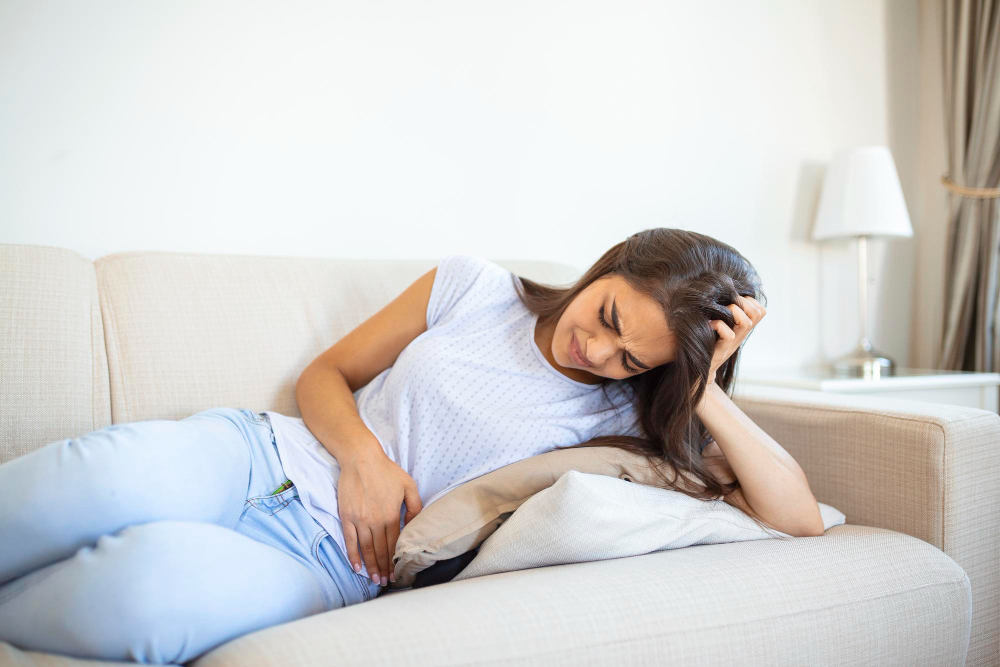
Endometriosis is a health condition that affects many women. It happens when tissue, similar to the lining inside the uterus, grows outside the uterus. This tissue can cause pain, swelling, and other problems. Although endometriosis is common, many people do not know they have it. Early understanding and care can help manage symptoms and improve quality of life.
Common Symptoms of Endometriosis
Many women with endometriosis experience pain. However, symptoms can vary from person to person. Some may have mild signs, while others feel severe discomfort. Here are the most common symptoms of endometriosis:
Sometimes, women with endometriosis have no symptoms at all. But if you notice any of these signs, it is important to talk to a doctor.
Causes and Risk Factors
Doctors are still learning about what causes endometriosis. Even so, several factors may increase your risk. Here are some possible causes and risk factors:
While these factors can raise your risk, endometriosis can affect anyone with a uterus. Therefore, regular check-ups are important.
How Endometriosis is Diagnosed
Diagnosing endometriosis can take time. Often, symptoms are similar to other health problems. However, doctors use several steps to find out if you have endometriosis:
Early diagnosis can help you get the right treatment and feel better sooner.
Treatment Options for Endometriosis
Treatment for endometriosis depends on your symptoms and plans for having children. While there is no cure, many options can help manage pain and other problems. Here are some common treatments:
It is important to talk with your doctor about the best treatment for you. Each person is different, so your care plan should fit your needs.
Lifestyle Tips and Self-Care
Living with endometriosis can be challenging. However, some lifestyle changes may help you feel better. Here are some tips for self-care:
Although these steps may not cure endometriosis, they can improve your daily life.
Prevention and When to See a Doctor
Currently, there is no sure way to prevent endometriosis, but knowing your risk and watching for symptoms can help. If you experience ongoing pain, heavy periods, or trouble getting pregnant, it’s important to seek medical advice. At Dr. Meenal Singh, early care is essential to manage symptoms and improve quality of life.
In summary, endometriosis is a common but often misunderstood condition. With the right support and treatment, you can manage symptoms and live well. For personalised advice on endometriosis, consult Dr. Meenal Singh.