
What Is Oligohydramnios?
Oligohydramnios means there is less amniotic fluid than normal during pregnancy. Amniotic fluid surrounds the baby in the womb. It helps protect the baby and supports healthy growth. When this fluid is low, it can cause problems for both mother and baby. Doctors often check for oligohydramnios during routine pregnancy visits. Early detection is important for a healthy pregnancy.
Common Causes of Oligohydramnios
Many factors can lead to low amniotic fluid during pregnancy. Sometimes, the cause is not clear. However, some common reasons include:
In some cases, medicines or dehydration can also play a role. Therefore, it is important to talk to your doctor about any concerns.
Signs and Symptoms of Oligohydramnios
Often, women do not notice symptoms of oligohydramnios. Still, some signs may appear, such as:
Sometimes, doctors find oligohydramnios during an ultrasound. Because symptoms can be mild, regular check-ups are important.
How Is Oligohydramnios Diagnosed?
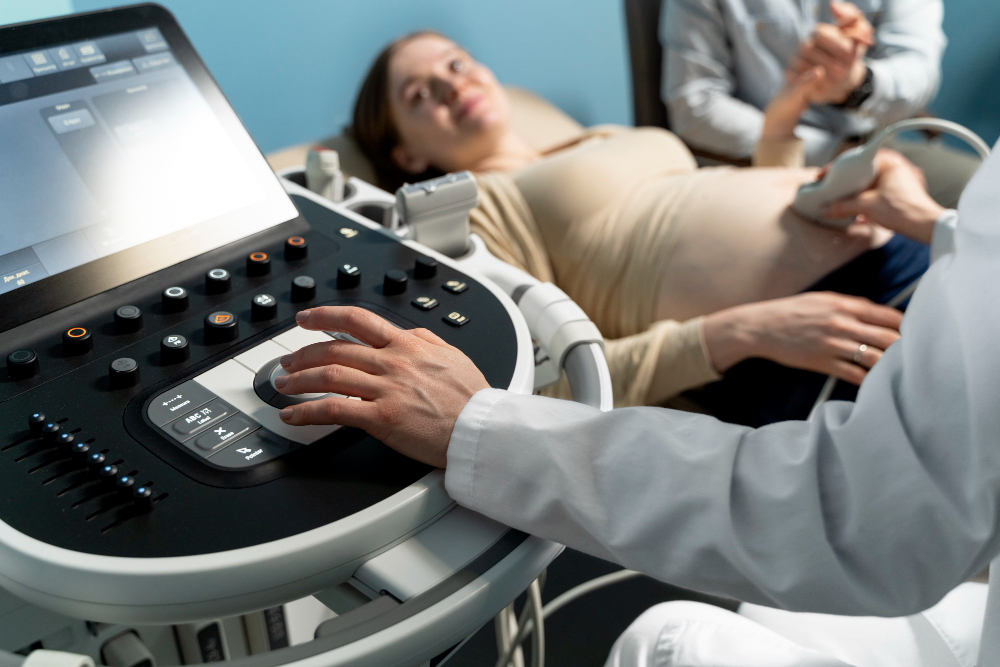
Doctors use several methods to check for low amniotic fluid. First, they may measure your belly during a prenatal visit. If the size is smaller than expected, they may order an ultrasound. During the ultrasound, they look at the amount of fluid around the baby. They may use a test called the Amniotic Fluid Index (AFI) or the Maximum Vertical Pocket (MVP) to measure fluid levels. If the fluid is low, your doctor will discuss next steps with you.
Treatment Options for Oligohydramnios
Treatment depends on the cause and stage of pregnancy. Some common options include:
Because each case is different, your doctor will choose the best plan for you and your baby.
Prevention Tips and Lifestyle Guidance
While not all cases can be prevented, you can take steps to lower your risk of oligohydramnios:
In addition, following your doctor’s advice can help keep you and your baby safe.
When to Seek Medical Help
If you notice less movement from your baby, leaking fluid, or feel something is wrong, contact your healthcare provider right away. Early action can make a big difference. Even if you are unsure, it is better to ask your doctor for advice.
Conclusion
Oligohydramnios can be a serious condition, but with early care, many women have healthy pregnancies. Regular check-ups and healthy habits are key. If you have concerns about low amniotic fluid during pregnancy, consult Dr. Meenal Singh, an obstetrician and gynecologist, for personalized advice about oligohydramnios.