What Are Uterine Fibroids?
Uterine fibroids are non-cancerous growths that form in or on the uterus. Many women develop these growths during their childbearing years. Although fibroids are common, not everyone has symptoms. In fact, some women may never know they have them. However, others may experience discomfort or health issues. According to the CDC, up to 80% of women may get fibroids by age 50.
Common Symptoms
Not all women with uterine fibroids have symptoms. Still, when symptoms do appear, they can affect daily life. For example, you might notice:
Sometimes, fibroids can cause problems with pregnancy or fertility. But many women have healthy pregnancies even with fibroids.
Causes and Risk Factors
Doctors do not know the exact cause of uterine fibroids. However, several factors may increase your risk. For instance, hormones like estrogen and progesterone seem to play a role. In addition, genetics can make some women more likely to develop fibroids. Other risk factors include:
Although these factors can raise your risk, anyone with a uterus can develop fibroids.
Diagnosis Methods
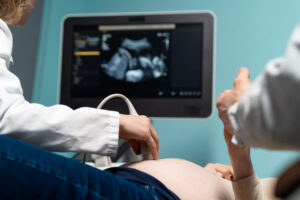
If you have symptoms of uterine fibroids, your doctor may suggest tests. First, a pelvic exam helps check for changes in the shape of your uterus. Next, imaging tests can give more details. Common methods for fibroid diagnosis include:
Early diagnosis can help manage symptoms and prevent complications.
Treatment Options
Treatment for uterine fibroids depends on your symptoms, age, and plans for pregnancy. Sometimes, no treatment is needed if symptoms are mild. However, if you need care, options include:
For women in the US or UK, most treatments are available through gynecologists or specialized clinics. Always discuss the risks and benefits with your doctor.
Lifestyle Tips and Prevention
While you cannot always prevent uterine fibroids, healthy habits may lower your risk. For example, you can:
Although these steps do not guarantee prevention, they support overall health. If you have a family history of fibroids, regular check-ups can help catch problems early.
When to See a Doctor
It is important to talk to a doctor if you notice any symptoms of uterine fibroids. For instance, seek help if you have:
Early care can improve your quality of life and prevent complications. Do not wait if you are worried about your symptoms.
For personalised advice on uterine fibroids, consult Dr. Meenal Singh, an experienced gynaecologist dedicated to women’s health and well-being.